&w=3840&q=75)
Stories from Haikko
Stories from Haikko
The manor has a very long history stretching back centuries. An opulent manor life was enjoyed here at the end of the 19th century, among other times. You can hear more about the manor's stories in the manor histories, which are part of our selection of programs, so by reading more about the history of Haiko Manor.
Stories of Haikko Manor
Headless Rider
One of Haiko's most intriguing ghost stories is the story Duke John from the headless chamberlain. Bengta Hannun's Daughter is mentioned as the owner of Haikko Manor around the mid-16th century. His son Laurinpoika Ljungo served as the master of the chamber at Duke John's court in Turku Castle.
Duke Juhana and King Erik XIV of Sweden's The dispute led to the siege of Turku Castle and eventually to the arrest of the duke and his inner circle. Supporters of the duke were executed in Stockholm's square in September 1563, and among those who lost their heads was Ljungo Laurinpoika, originally from Haikko.
After these dramatic events, a headless knight has been seen riding his white horse along the old village road past Haikko Manor at night. Could it be Ljungo Laurinpoika on his way to his home manor to tell his mother that he is innocent of the intrigues he was accused of?
Call the fire department
On New Year's Eve in 1911, a fire broke out in the manor, destroying the building to its foundations, and none of the valuable property could be saved.
Emelie von Etter lived with his family at that time during the coldest winter in Cannes, where he received a telegram: house burning stop Frederik.
The telegram reply read: call the fire department.
Albert Edelfelt
Albert Edelfelt's mother Alexandra Edelfelt In 1879, you rented a summer villa located on the grounds of Haikko Manor, which became the artist's summer home until his death. Here, the artist built a studio with skylights for himself in 1883.
Edelfelt bought the old building of the Haiko manor tenant in 1880 and three years later built himself a studio with skylights. Among the most famous paintings painted in Haikko and Hamari are Child's Funeral, Boys Playing on the Beach, and Young Woman Holding a Parasol.
He loved the Porvoo archipelago and its inhabitants, who represented the homeland and Finnishness at its best for him, and who were an inexhaustible source of inspiration for him. Albert Edelfelt spent a total of 26 summers in Haikko and painted over 220 works, many of which were awarded in the Paris salons. He died in Haikko in August 1905.
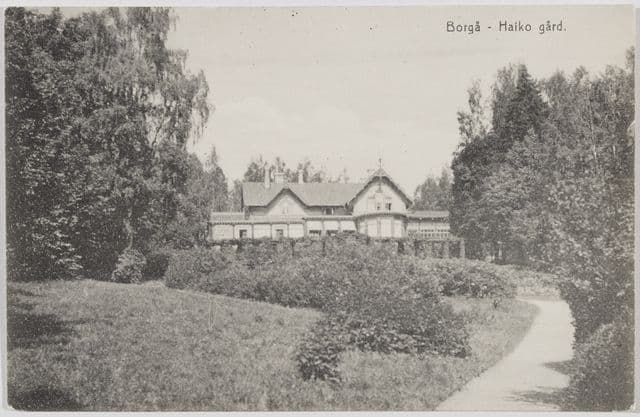
Kartanon entinen päärakennus 1913 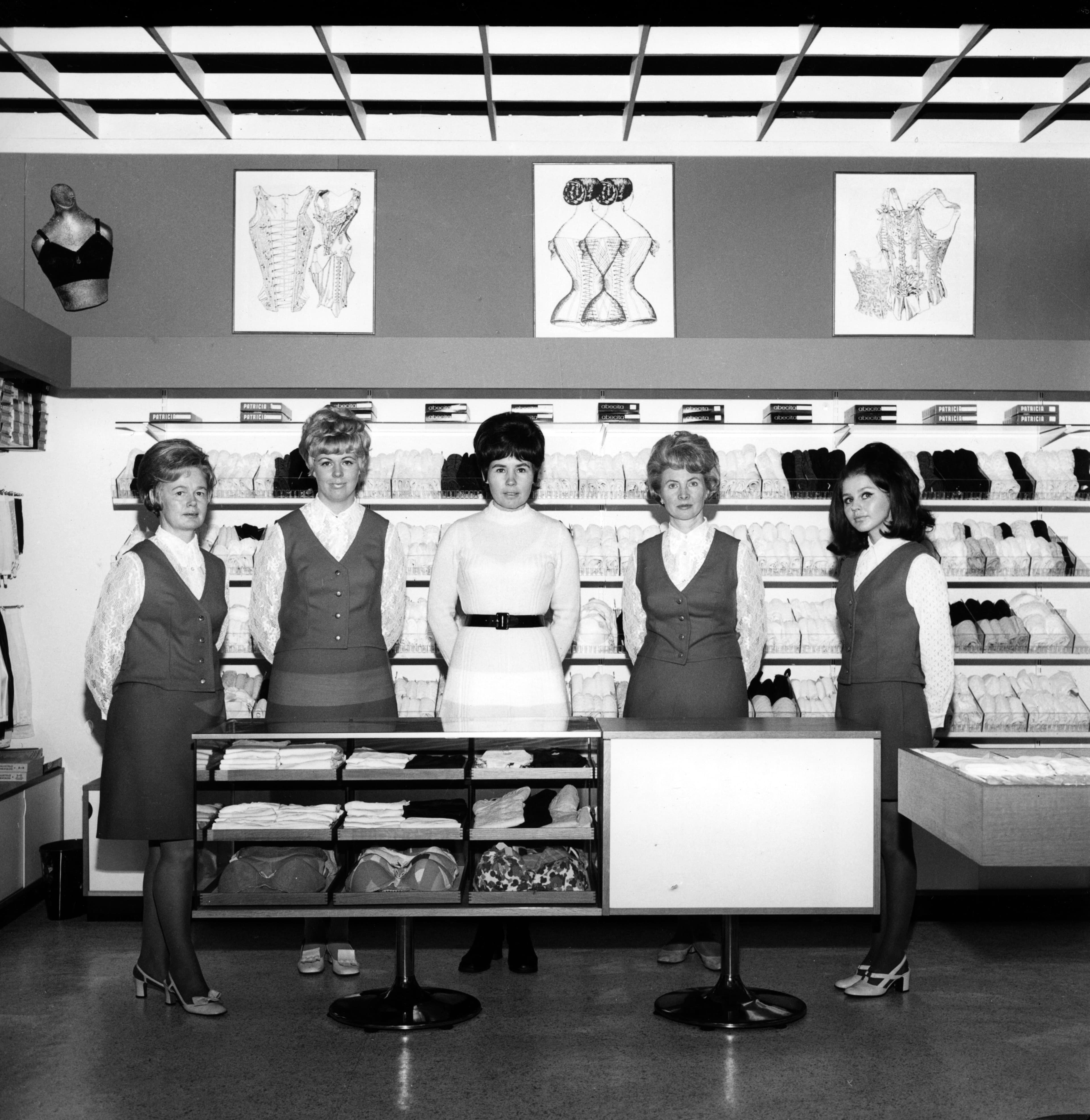
Satu Vuoristo ja Lollo-tuotteiden esittely.
Satu Vuoristo establishing the Lollo chain
One Vuoristo founded in 1955 the Lollo chain, which specialized in women's underwear. The name Satu and Leo Vuoristo came up with the idea during their trip to Rome after seeing advertisement images of a movie star Gina Lollobrigida.
The name was recognized as daring, but attitudes towards sexuality were becoming more open in Finland, and the business succeeded. The slogan "Lollosta loistolinjat" helped in this. When Kaivotalo was expanded, the main store's program included all kinds of women's clothing, and its own sewing studio operated for a while.
Family-owned hotel and restaurant chain
The Vuoristot company was assessed in the early 1970s as the largest family-owned hotel and restaurant chain in the Nordic countries. At different stages, it included in Helsinki the Adlon and Kaivohuone, Seurahuone with its hotels, as well as the traditional ship J. L. Runeberg.
Above all, the Vuoristos acquired Haikko Manor from Porvoo parish in 1965 and opened it as a manor hotel the following year. Satu personally designed the interior of each manor room and acquired antique furniture from Europe.
The Ghost of the Clock Cabinet
The then-CEO Juha Mähönen says that the latest unexplained event occurred in the spring of 2020, when the manor building was completely closed due to the coronavirus pandemic.
- The wall clock, after which the manor's Clock Cabinet is named, fell from the wall and shattered into numerous pieces, completely beyond repair. The reason for its fall could not be determined. Could a ghost have dropped the clock, which had served for decades, to stop time, Mähönen wonders.
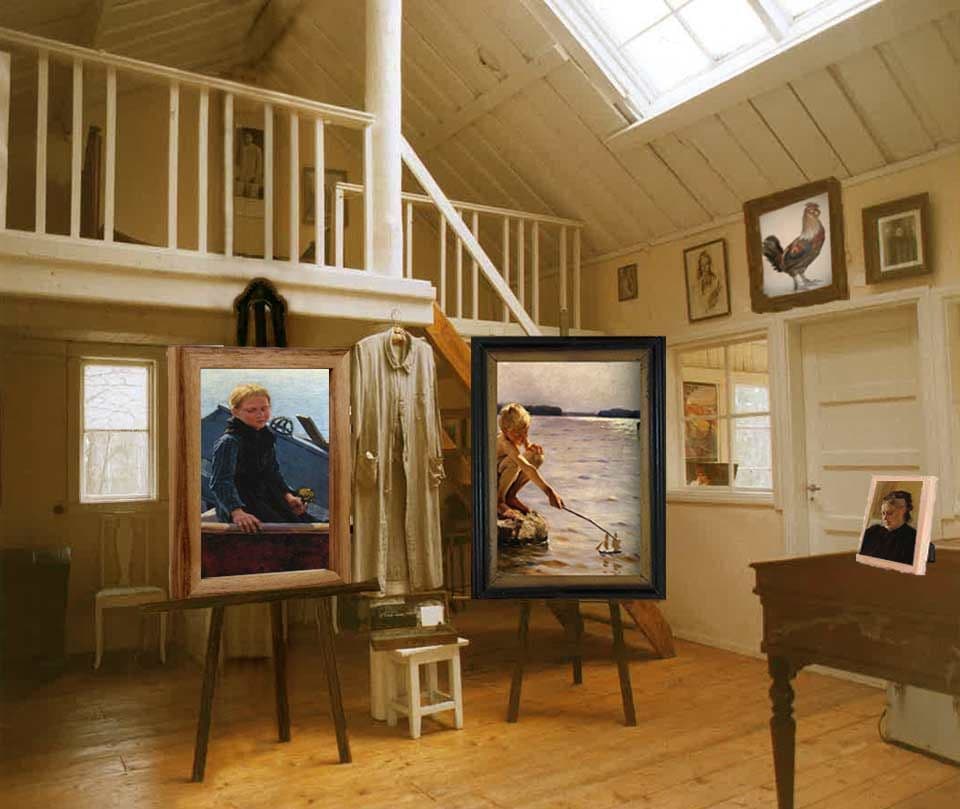
Albert Edelfeltin ateljee 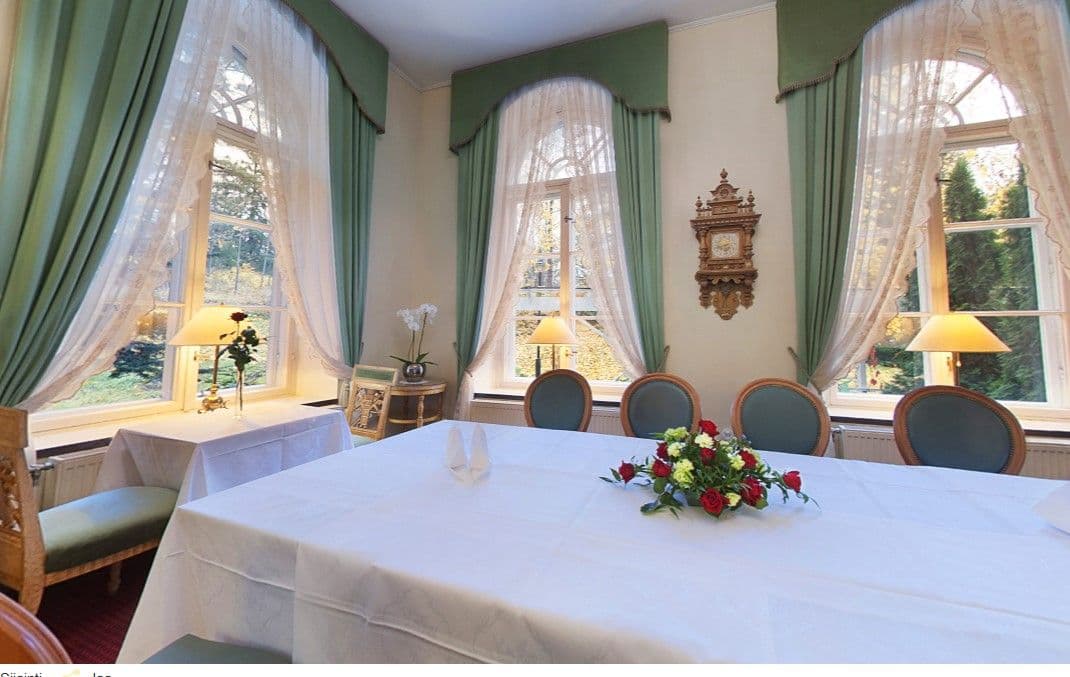
Kellokabinetti